

What Role Do Shell and Tube Heat Exchangers Play in Industrial Cooling
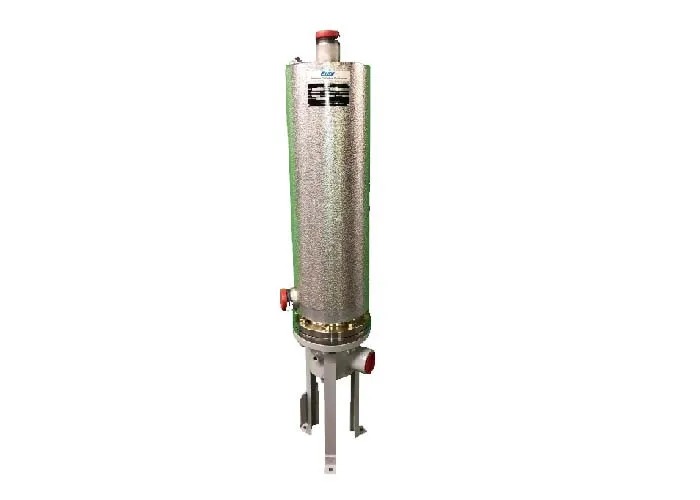
Industrial cooling systems rely on efficient heat transfer mechanisms to maintain optimal operating conditions. Shell and tube heat exchangers are a key component in this process, ensuring that equipment remains at the right temperature by efficiently dissipating heat. These heat exchangers are widely used in industries such as power generation, chemical processing, and manufacturing, where temperature regulation is critical for smooth operations.
How Shell and Tube Heat Exchangers Work
A shell and tube heat exchanger consists of a series of tubes enclosed in a cylindrical shell. One fluid flows through the tubes while another fluid passes over them within the shell. This design allows heat to transfer from the hotter fluid to the cooler one, helping regulate temperatures without direct fluid mixing. The versatility of these heat exchangers makes them ideal for handling various thermal loads and fluid types.
The effectiveness of a heat exchanger depends on factors such as flow rate, temperature difference, and the materials used in its construction. Proper design ensures that heat is transferred efficiently while minimizing pressure drop, which helps maintain system performance.
Applications in Industrial Cooling
Industries that require continuous cooling rely on shell and tube heat exchangers to manage temperature-sensitive processes. Here are some key areas where they play a vital role:
Power Plants
In thermal power plants, heat exchangers help maintain the temperature of cooling water systems that support turbines and generators. By efficiently removing excess heat, they prevent overheating and ensure uninterrupted power generation.
Chemical and Petrochemical Processing
Chemical production processes generate significant heat, which must be controlled to maintain reaction stability and product quality. Heat exchangers manage excess heat by transferring it to cooling fluids, preventing equipment damage and ensuring process efficiency.
Oil and Gas Industry
Refineries use heat exchangers to cool lubricating oils, gas streams, and other process fluids. Their ability to handle high-pressure and high-temperature conditions makes them essential for maintaining operational stability in harsh environments.
HVAC and Refrigeration
Large-scale air conditioning and refrigeration systems incorporate heat exchangers to regulate coolant temperatures, improving energy efficiency and reducing operational costs.
Manufacturing and Metal Processing
Industries involved in metalworking, injection molding, and glass manufacturing require cooling systems to maintain equipment performance and product quality. Heat exchangers prevent excessive heat buildup, which can impact production rates and material integrity.
Advantages of Shell and Tube Heat Exchangers
The widespread use of shell and tube heat exchangers in industrial cooling is due to several key advantages:
- Efficient Heat Transfer: The large surface area of the tube bundle enhances heat exchange efficiency.
- Durability: Constructed from robust materials such as stainless steel or titanium, these heat exchangers can withstand harsh industrial conditions.
- Customizability: They can be designed for specific thermal and pressure requirements, making them adaptable to various industries.
- Ease of Maintenance: Modular designs allow for easier cleaning and maintenance, reducing downtime.
- Cost-Effectiveness: Their long operational life and minimal maintenance needs contribute to lower overall costs.
Selecting the Right Heat Exchanger
Choosing the right heat exchanger depends on factors such as the type of fluid, temperature range, pressure conditions, and space constraints. Engineers consider these parameters when designing cooling systems to ensure maximum efficiency and reliability. Regular maintenance, including tube cleaning and inspection, is essential to prolong service life and maintain performance.
In The End: Fixed tube sheet heat exchangers in New York and other shell and tube designs are integral to industrial cooling systems, ensuring optimal temperature control across multiple sectors. Whether in power plants, chemical facilities, or manufacturing units, these heat exchangers enhance efficiency and system longevity. At Elge Technologies LLC, we specialize in providing high-performance heat exchanger solutions tailored to industrial needs. Our expertise in heat transfer technology ensures that your cooling systems operate at peak efficiency. Contact us today to find the right solution for your business.