

Fixed Tube Sheet Heat Exchangers: Engineered for Strength and Optimal Performance
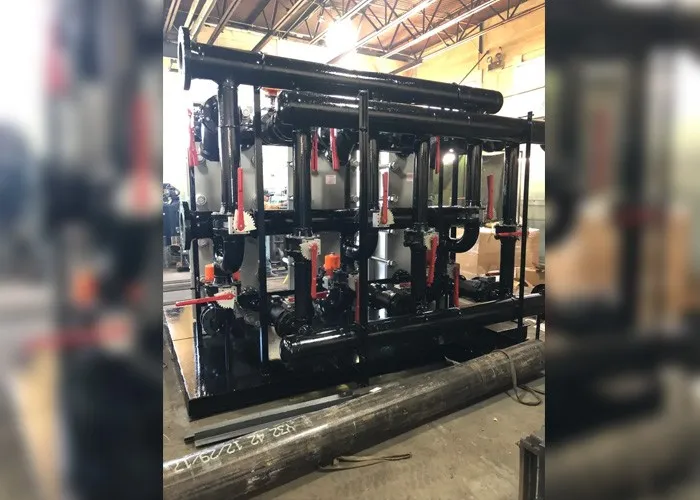
Fixed tube sheet heat exchangers ‘ are widely used in industries where reliability and simplicity are key. These units feature a robust design where tubes are secured into fixed sheets, offering a strong seal between the shell and tube sides. This construction ensures minimal leakage and excellent mechanical stability, making them ideal for handling high pressure and temperature conditions. Their straightforward design limits potential weak points, providing a dependable solution for many thermal exchange needs.
Structural Advantages That Matter
One of the standout qualities of fixed tube sheet heat exchangers is their solid build. The fixed tube sheets provide a rigid frame that prevents tube movement, which reduces wear and tear. This rigidity also helps maintain heat transfer efficiency over time, allowing the equipment to perform consistently across different operating environments. By avoiding tube vibrations and movement, the likelihood of mechanical failure is minimized, extending operational life and reducing maintenance costs.
Maintenance and Inspection Benefits
Since fixed tube sheet heat exchangers have a simple design, maintenance tasks become straightforward. The fixed sheets simplify cleaning and inspection because they allow easy access to the tube bundle. This accessibility is crucial for timely detection of fouling or damage, enabling corrective actions that prevent prolonged downtime. Routine inspections also help maintain thermal efficiency by ensuring tubes remain clean and free of blockages.
Application Flexibility
These heat exchangers are used in a variety of sectors including chemical processing, power generation, and oil refining. Their ability to withstand tough operating conditions without sacrificing performance makes them a trusted choice for many engineers. The fixed design supports various fluids, including corrosive and high-viscosity types, increasing their application range. Moreover, the equipment can be tailored for different pressures and temperatures to suit specific process requirements.
Efficiency Through Design
The fixed tube sheet arrangement facilitates effective heat transfer between fluids by maintaining optimal flow paths. It prevents cross-contamination of fluids, which is critical in many industrial processes. This design also allows for customization of tube layouts and sizes to meet specific thermal requirements. Enhanced flow control and heat exchange efficiency contribute to energy savings and more stable process control, which are vital in industrial settings.
Durability Under Pressure
Fixed tube sheet heat exchangers are designed to endure harsh operating pressures. Their construction minimizes stress points, leading to fewer mechanical failures. This durability makes them suitable for long-term use in demanding conditions, supporting uninterrupted production cycles. The sturdy design also helps withstand thermal expansion effects without compromising structural integrity, making them reliable even under fluctuating operating parameters.
Material Selection and Impact
Choosing the right materials for fixed tube sheet heat exchangers is vital for ensuring performance and longevity. Materials must resist corrosion, handle thermal stresses, and maintain structural integrity. Common choices include stainless steel and carbon steel, selected based on the process fluids and operating conditions to optimize lifespan and reliability. Proper material selection is essential for preventing premature failures and ensuring safe operation in challenging industrial environments.
Advanced Testing for Quality Assurance
Before installation, fixed tube sheet heat exchangers undergo rigorous testing procedures to confirm quality and safety standards. Pressure testing, leak detection, and thermal performance assessments are standard. These steps ensure each unit meets engineering specifications and operates without failure in the field. Thorough quality checks also provide confidence that the equipment will maintain performance throughout its service life, reducing risks of operational disruptions.
Enhanced Safety Features
Safety is a critical consideration in heat exchanger design. Fixed tube sheet heat exchangers incorporate features that prevent leaks and mechanical faults, protecting operators and equipment alike. Seals and gaskets are carefully chosen to withstand operating pressures and temperatures, ensuring containment of fluids and avoiding contamination risks. These safety measures are key in sectors with strict compliance requirements.
Integration with Existing Systems
Fixed tube sheet heat exchangers can be seamlessly integrated into existing industrial setups. Their design allows for customization in size and connection types, matching client infrastructure without extensive modifications. This flexibility reduces installation time and costs, enabling faster upgrades or replacements. Compatibility with control systems further enhances operational efficiency and monitoring.
Ending Note:
Fixed tube sheet heat exchangers in New York play a vital role in ensuring reliable and efficient heat transfer across diverse industrial applications. At’Elge Technologies LLC, we specialize in providing fixed tube sheet heat exchangers built for strength and consistent performance. Our experience and technical know-how help us deliver tailored solutions that align with industry standards and client expectations.”Contact Elge Technologies LLC “today to explore how our advanced heating technologies products can support your operational goals with durable, high-quality equipment.
FAQs:
- What are fixed tube sheet heat exchangers used for?
They are commonly used in industries like chemical processing and power generation to transfer heat efficiently between fluids under high pressure and temperature.
- How does the fixed tube sheet design improve reliability?
The fixed design secures tubes firmly, reducing vibrations and mechanical wear, which enhances durability and minimizes maintenance needs.
- Can fixed tube sheet heat exchangers handle corrosive fluids?
Yes, with proper material selection such as stainless steel, they can safely manage corrosive or high-viscosity fluids in demanding environments.
- What makes maintenance easier for these heat exchangers?
Their straightforward construction allows easy access to tube bundles for cleaning and inspection, helping to maintain performance and prevent downtime.
- How do fixed tube sheet heat exchangers maintain heat transfer efficiency?
They provide stable flow paths and prevent fluid mixing, ensuring effective heat exchange and consistent operation across varied conditions.