

How Can High-Efficiency Heat Exchangers Cut Energy Consumption?
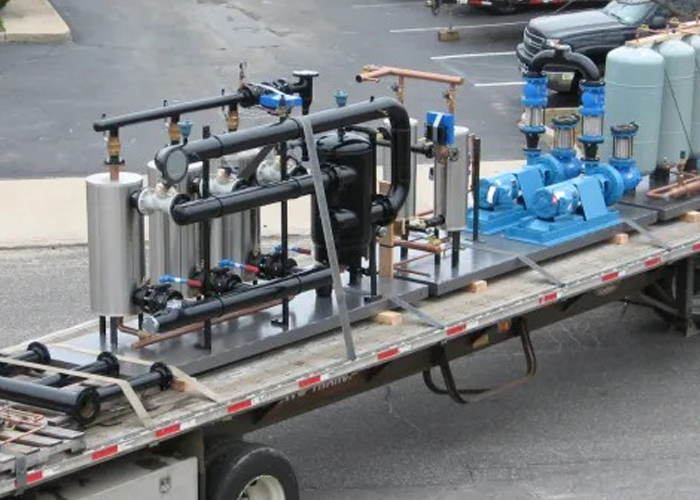
Industries such as food processing, chemical plants, oil and gas, and power generation all depend on heat in their daily work. Heating and cooling are part of every stage, from preparing raw materials to finishing the final product. This heat use can be expensive if the system is not designed well. That is where heat exchangers step in. A heat exchanger moves heat between two fluids without mixing them. For example, hot water can pass its heat to cold water without both streams touching. This simple idea helps industries recycle energy that would otherwise be lost. By choosing high efficiency heat exchangers in Long Island, companies can cut down on wasted power, lower their bills, and keep production steady.
Why Efficiency in Heat Transfer Matters
Energy is one of the biggest costs for industries. If a heat exchanger does not work properly, a lot of energy escapes. This means boilers, chillers, or compressors must work harder to keep systems stable. More energy means more money spent, and also more stress on equipment.
Efficient heat exchangers are designed to transfer maximum heat in the shortest time. This ensures that processes run smoothly with less fuel or electricity. When industries save energy, they are not only reducing costs but also making their operations more reliable. Efficiency is not just a number; it is a key factor in how well an entire plant runs.
Smart and Compact Layout
Traditional exchangers were large and heavy. They required big spaces and often needed more resources to install. Modern designs focus on saving space while increasing output. High efficiency exchangers often use thin plates stacked together, which creates a wide surface area in a small size. The larger the surface area, the faster the heat can move between fluids.
For example, a compact unit can be placed in a processing line without needing a redesign of the plant layout. This saves both space and cost. A smaller footprint also means easier handling, faster installation, and lower maintenance costs. With industries looking to make the most of every square foot, compact exchangers give strong advantages.
Better Flow for Stronger Results
The way fluids move inside the exchanger decides how well it works. Poor flow leads to blockages, uneven heating, or cooling spots that waste energy. High efficiency exchangers are designed with smart flow channels that keep fluids moving evenly. This ensures maximum contact between hot and cold streams, allowing faster and more even heat transfer.
A smooth flow also helps keep the unit cleaner for longer. Deposits and dirt are less likely to build up, which reduces cleaning needs. When cleaning is required, modern exchangers are easier to open and wash. Less downtime means more production hours and better overall savings for industries.
Built for Strength and Long Life
Industrial equipment must handle high pressure, high temperatures, and constant use. If an exchanger is weak, leaks and breakdowns can cause downtime and costly repairs. High efficiency models are built using strong metals and tested for pressure limits. This ensures they hold up even under heavy use.
The design reduces the risk of leaks, meaning heat is transferred without loss. A leak not only wastes energy but also creates safety risks. A strong and reliable exchanger avoids these problems and gives industries confidence in their daily operations. Over time, the cost of maintenance drops, and the life of the equipment increases.
Works Well with Automation
Modern industries rely on digital control systems to manage energy use. Heat exchangers must fit well with these systems to provide the best results. High efficiency exchangers respond quickly to changes in heat demand. This flexibility means energy is only used where needed, cutting down waste.
For example, if a food plant requires sudden cooling in one part of its line, the exchanger can respond without affecting other parts of the system. This level of control is vital for plants that operate around the clock. It reduces overuse of energy and gives smoother production control.
Long-Term Energy and Money Savings
The main benefit of using high efficiency exchangers is the savings they bring over time. Even a small cut in daily energy use adds up to a big amount at the end of the year. For large plants, this could mean thousands or even millions saved.
Lower bills are only one part of the picture. When equipment runs smoothly, industries face fewer shutdowns, fewer repair costs, and less need to replace machines. This creates a chain effect: better efficiency leads to longer machine life, fewer breakdowns, and more consistent output. All these factors bring long-term savings that far outweigh the initial cost of installing high efficiency exchangers.
Closing Note:
Energy saving is not just about cutting bills, it is about building systems that run smoothly, safely, and reliably. At Elge Technologies LLC, we provide solutions built with high quality Swedish designed heat exchangers that meet these needs. Our exchangers are created to give maximum output, long life, and real energy savings. By choosing our systems, industries can achieve steady results, lower costs, and confidence in their daily operations. We focus on offering products that help our clients reach their energy-saving goals without risk.
FAQs:
Q1. What does a heat exchanger do in industrial use?
A heat exchanger transfers heat between two fluids without mixing, helping reduce energy loss.
Q2. Why are high efficiency heat exchangers important?
High efficiency heat exchangers cut energy loss, lower operating costs, and improve overall system performance.
Q3. How do compact heat exchanger designs help industries?
Compact designs save floor space, reduce installation costs, and allow better heat transfer in limited areas.
Q4. Can high efficiency heat exchangers reduce maintenance needs?
Yes, advanced designs resist deposits, prevent blockages, and are simpler to clean, reducing downtime and costs.
Q5. Do high efficiency heat exchangers work with automated systems?
Yes, modern exchangers adapt quickly to demand changes and integrate easily with automation and control systems.