

How Shell and Coil Heat Exchangers Help Reduce Carbon Footprint in HVAC
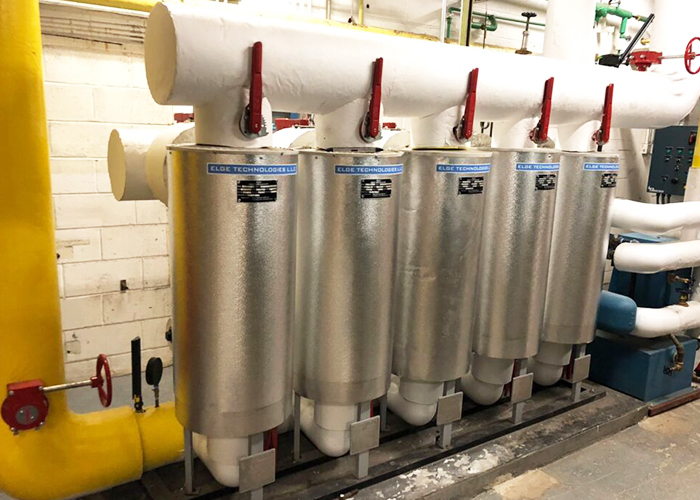
A shell and coil heat exchanger in Long Island, NY, is an important part of HVAC systems that helps move heat efficiently between fluids. It reduces energy use, lowers operating costs, and keeps indoor temperatures steady. Businesses can save money and maintain reliable HVAC performance without using extra energy. These exchangers are suitable for a wide range of applications, including commercial buildings, manufacturing facilities, hospitals, and large office complexes, offering a versatile solution for diverse HVAC needs.
More Heat, Less Space
The shell-and-coil design puts a coil inside a compact shell, creating a large area for fast heat transfer. This design captures heat that would otherwise be lost, improving efficiency without taking up extra space. Even tight mechanical rooms can use this system effectively. For example, in high-rise office buildings, where floor space is limited, a shell-and-coil unit can be installed in mechanical closets without affecting building layout or aesthetics. The compact design ensures maximum heat recovery while keeping installation flexible and non-intrusive.
Easy Setup and Installation
These heat exchangers are ready to integrate into existing HVAC systems. They reduce installation time and allow upgrades without stopping operations. Building managers can add these units quickly and keep systems running smoothly. In factories with continuous production lines, the plug-and-play design allows HVAC upgrades without halting operations, preventing loss of productivity while improving energy efficiency. Quick setup also reduces labor costs and minimizes the risk of operational disruptions during installation.
Keeping Temperatures Stable
Maintaining steady indoor temperatures is important for comfort and protecting equipment. Shell and coil exchangers move heat evenly, avoiding sudden temperature changes. Stable heat transfer also reduces wear on HVAC components and makes systems last longer. In hospitals or laboratories, precise temperature control is critical. Shell and coil units help maintain consistent conditions, which is vital for sensitive medical equipment, cleanrooms, and patient comfort. This stability improves overall operational reliability and reduces the chance of costly equipment failures.
Save Energy and Reduce Costs
By reusing heat, these systems cut the energy needed from boilers or chillers. Businesses save on electricity and fuel bills while keeping operations efficient. Over time, these energy savings can cover the cost of the system and provide long-term benefits. In commercial kitchens or hotels, recovered heat can preheat water or incoming air, reducing energy consumption and lowering utility costs. This approach not only saves money but also improves operational efficiency by utilizing available energy more effectively.
Flexible for Different Buildings
Shell and coil units can be made to fit a variety of buildings, from small offices to large factories. The system can be expanded later if more capacity is needed, so it grows with the facility’s needs. For instance, a warehouse facility can start with a smaller unit for its office space and later add capacity for production areas as operations expand, avoiding costly system replacements. This scalability makes it a future-proof solution for growing businesses.
Simple Maintenance
The design makes it easy to access the coil and shell for inspection or cleaning. Regular maintenance is fast and keeps the system running without interruptions. This simplicity ensures long-lasting performance and protects the investment. In hotels, shopping malls, or commercial centers, easy maintenance prevents long downtimes, keeping guests and customers comfortable while maintaining continuous HVAC operation.
Real-Time Monitoring for Better Performance
Modern systems can include sensors to track temperature, flow, and energy use. Operators can spot problems quickly and fix them before they become costly. Monitoring helps keep energy use low and ensures the system works efficiently every day. In industrial plants, real-time monitoring allows managers to identify minor inefficiencies early, preventing major repairs and extending equipment life. This proactive approach enhances operational reliability and reduces overall maintenance costs.
Industry Applications and Success Stories
Shell and coil heat exchangers are used across many sectors. Commercial buildings rely on them for air conditioning and ventilation, while manufacturing facilities use them for process heating and cooling. Food and beverage plants benefit from reusing steam and hot water, reducing energy costs while keeping production temperatures safe. Hospitals, laboratories, and large office buildings also gain from stable indoor conditions and reduced energy use. These real-world applications demonstrate how shell and coil systems save money, optimize energy, and maintain reliable HVAC performance across industries.
Long-Term Operational Benefits
Beyond energy savings, shell and coil heat exchangers improve system lifespan. By reducing temperature swings and mechanical stress, they lower wear on HVAC components. The result is fewer replacements, less downtime, and more predictable operational costs. Businesses gain a better return on investment by combining energy efficiency with system longevity. This makes shell and coil exchangers an ideal choice for any facility looking to reduce operating costs and enhance performance without frequent equipment replacements.
Ending Note:
At Elge Technologies LLC, our shell & coil selection program ensures every HVAC system recovers heat efficiently and reduces energy use. Our solutions provide consistent performance, lower costs, and support smooth operation in all types of facilities. Clients gain durable systems, expert guidance, and measurable energy savings. By choosing our services, businesses can implement HVAC solutions that are tailored to their unique needs, ensuring long-term efficiency, reliability, and reduced carbon footprint.
FAQs:
- What is a shell and coil heat exchanger?
It is a device that efficiently transfers heat between fluids in HVAC systems, improving energy use and performance.
- How do shell and coil exchangers save energy?
They capture and reuse heat that would normally be lost, reducing energy demand from boilers or chillers.
- Can these exchangers fit different building types?
Yes, their modular design allows installation in offices, factories, hospitals, and other commercial facilities.
- Is maintenance complicated for shell and coil systems?
No, the accessible coil and shell design makes inspection, cleaning, and routine maintenance fast and simple.
- How does monitoring improve system performance?
Sensors track temperature and flow, allowing operators to fix inefficiencies early and maintain consistent energy recovery.