

How Can Fixed Tube Sheet Heat Exchangers Solve Your Plant’s Heat Loss Issues?
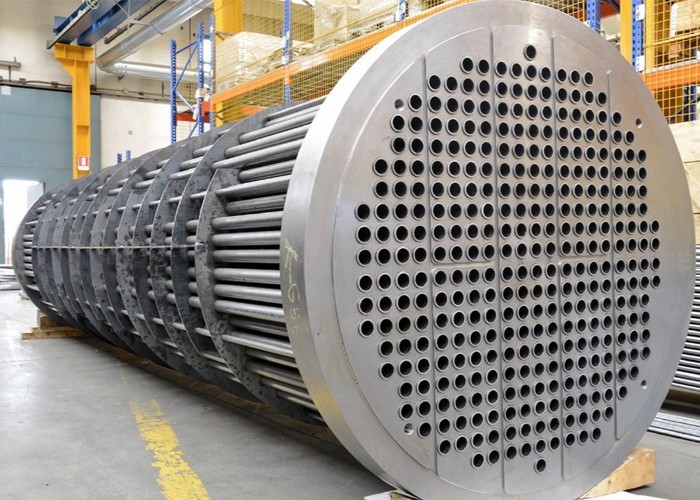
Managing heat efficiently is a big challenge for industrial plants. Fixed tube sheet heat exchangers are built to reduce heat loss, keep temperatures steady, and protect equipment from damage. These systems combine strength and efficiency, providing a reliable way for plants to save energy and reduce costs. Understanding how these heat exchangers work and the advantages they offer helps plant managers solve heat loss problems and run operations more smoothly.
Precise Heat Control for Stable Operations
The fixed tube sheet design keeps tubes firmly in place, which prevents leaks and ensures steady heat transfer. This is important for processes that need exact temperature control, such as chemical production or energy generation.
Stable heat transfer means fewer fluctuations in temperature. This keeps products consistent and reduces stress on equipment like boilers and pumps. Reliable performance also lowers the chance of unexpected downtime.
For example, in a chemical processing plant, even small temperature changes can affect the quality of the final product. Using fixed tube sheet heat exchangers ensures the temperature stays within the required range, reducing waste and improving overall product consistency.
Reducing Energy Waste with Smart Design
A major problem in industrial heat systems is energy loss. Fixed tube sheet heat exchangers stop this by sealing the tube bundle tightly to the shell, making heat transfer more efficient.
Less heat is wasted, so plants use energy better, lower their utility costs, and operate more predictably. Every unit of energy goes into the process instead of escaping into the surroundings, saving money and improving efficiency.
In industries that run continuously, such as power generation or food processing, even small heat losses can add up to significant energy costs. Fixed tube sheet heat exchangers help capture and transfer heat effectively, maximizing energy use while keeping the plant running efficiently.
Easy Maintenance and Quick Checks
Even though the tube bundle is fixed, the shell side can be opened. This lets technicians inspect, clean, or replace tubes without taking the whole system apart.
Maintenance is easier, downtime is shorter, and the system continues to work efficiently. Quick inspections also help catch early signs of wear, preventing costly breakdowns.
For plants that operate around the clock, being able to perform maintenance quickly is a big advantage. A small maintenance window is enough to ensure the heat exchanger continues operating smoothly without impacting production schedules.
Strong and Long-Lasting
Fixed tube sheet heat exchangers are made to last. The fixed tubes reduce vibration and mechanical stress. Durable materials and strong welding prevent leaks and corrosion.
This long-lasting design cuts replacement costs and keeps the system running reliably for years. Plants experience fewer interruptions and lower maintenance needs.
For example, a manufacturing plant using high-pressure fluids benefits from the durable construction of these heat exchangers. The fixed design handles pressure safely, ensuring the system runs without frequent repairs or replacements.
Flexible Use for Different Industries
These heat exchangers can handle high pressure, extreme temperatures, and different types of fluids. This makes them useful for chemical plants, power generation, and manufacturing industries.
They can also be customized for your plant, such as adjusting flow rates or temperature limits. This flexibility ensures the system meets the exact needs of your operations.
Many plants have unique requirements, such as handling corrosive fluids or very high temperatures. Fixed tube sheet heat exchangers can be designed to meet these needs, offering a tailored solution that keeps processes safe and efficient.
Protecting Equipment While Improving Efficiency
Stable heat transfer and less leakage reduce stress on connected equipment like pumps, boilers, and pipes. This means fewer repairs, lower costs, and more predictable operations.
Plants get smoother production, better efficiency, and long-term savings. Fixed tube sheet heat exchangers are a smart investment because they save energy and protect equipment at the same time.
For example, a power plant using these heat exchangers can reduce wear on turbines and piping, leading to fewer repairs and longer equipment life. This makes operations more predictable and lowers the overall cost of maintenance.
Closing Note:
At Elge Technologies LLC, our fixed tube sheet heat exchangers in New York are designed to solve heat loss problems while improving plant efficiency and reliability. Our systems offer precise temperature control, easy maintenance, and long-lasting performance customized for your operations. If you want to reduce heat loss, protect equipment, and maintain steady production, our fixed tube sheet heat exchangers are the right choice. Contact Elge Technologies LLC today to find a solution made for your plant’s heat management needs. With our experience and custom solutions, your plant can operate more efficiently, reduce costs, and improve overall productivity.
FAQs:
- What are fixed tube sheet heat exchangers used for?
They are used to transfer heat efficiently in industrial processes while preventing leaks and energy loss.
- How do fixed tube sheet heat exchangers reduce energy waste?
Their sealed tube design ensures heat moves efficiently between fluids, minimizing losses to the environment.
- Are fixed tube sheet heat exchangers easy to maintain?
Yes, the shell side can be opened for cleaning or tube replacement without full disassembly.
- Which industries benefit most from these heat exchangers?
Chemical, power, and manufacturing industries benefit due to high-pressure, high-temperature, or specialized fluid needs.
- Do fixed tube sheet heat exchangers protect other equipment?
Yes, stable heat transfer reduces stress on pumps, boilers, and piping, extending their operational life.