

Why Shell and Tube Heat Exchangers Are Essential for Harsh Industrial Environments
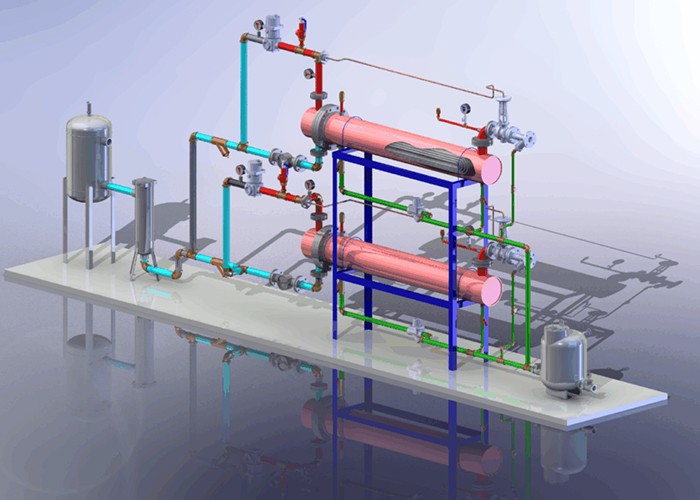
Industrial operations often need equipment that can handle extreme conditions without stopping or breaking. Shell and tube heat exchangers in Long Island are made to work reliably under high pressure, hot temperatures, and tough conditions. They keep processes running smoothly, prevent delays, and make sure systems work efficiently. These systems are essential for industries that rely on precise temperature control. Even minor changes can affect production quality, safety, and efficiency. By using high-quality shell and tube heat exchangers, industries can reduce downtime, improve reliability, and save money on repairs and replacements.
Strong Design That Can Handle Pressure
Shell and tube heat exchangers are built to withstand heavy pressure and high temperatures. The strong shell and tubes inside allow liquids and gases to flow safely while transferring heat. This design prevents leaks, cracks, or breakdowns in important systems.
Industries like chemical processing, oil refining, and power plants depend on this strength to keep their work steady. The durability allows teams to focus on production without worrying about equipment problems.
For example, in chemical plants, reactions often happen under very high pressure. If a heat exchanger fails, it can halt the entire process. Shell and tube systems ensure that heat is transferred safely without affecting production flow.
Precise Heat Control for Consistent Results
Keeping temperatures steady is very important for industrial processes. The tube setup inside the exchanger lets heat move efficiently from one liquid to another. This helps keep temperatures steady, which improves product quality and protects machines from damage.
Engineers rely on these systems for work where even small changes in temperature could cause problems. Consistent performance helps industries stay safe and productive.
In food processing or pharmaceutical plants, temperature variations can ruin batches of products. Using shell and tube heat exchangers ensures precise heat control, keeping processes reliable and consistent every day.
Flexible for Different Industrial Needs
Shell and tube heat exchangers can handle many types of liquids and gases, including steam, water, and chemicals. They can be adjusted for different operations, which makes them useful for many industries.
By changing the materials, tube size, or flow setup, the system can be made to work better and last longer. This makes it a solution that fits many types of operations.
For instance, oil refineries may need systems that can resist corrosive fluids, while a power plant may require systems that handle extremely hot steam. Shell and tube heat exchangers can be customized to meet these specific needs without compromising performance.
Easy Maintenance Saves Time
These systems are designed so they can be cleaned, checked, or repaired without taking the whole unit apart. Quick inspections and simple fixes reduce downtime and keep operations running.
Maintenance teams can spot problems early and fix them fast. This keeps production steady and prevents costly interruptions.
In large industrial plants, routine maintenance can take days. With a modular design, shell and tube heat exchangers allow technicians to replace or clean specific tubes instead of shutting down the entire system, saving both time and money.
Reliable Even in Tough Conditions
Harsh conditions can damage ordinary machines, but shell and tube heat exchangers are built to resist heat, chemicals, and heavy use. Strong materials and careful design make sure they work well for a long time.
This reliability lowers the risk of accidents, breakdowns, and delays, which is very important for industrial operations.
Industries that deal with corrosive chemicals or extreme temperatures rely on this equipment to maintain safety and production quality. A single failure could disrupt operations and increase costs, but these systems are built to prevent that.
Can Be Scaled for Bigger Operations
Industrial sites sometimes need larger systems as they grow. Shell and tube heat exchangers can be made bigger or combined with other units to handle more work.
This flexibility helps businesses expand without replacing old systems, saving time and money while keeping efficiency high.
Scaling the system is particularly helpful in plants that increase production capacity over time. Engineers can add more units in series or parallel to meet demand, ensuring consistent heat transfer without redesigning the entire process.
Closing Note:
At Elge Technologies LLC, we provide custom shell and tube heat exchangers in Long Island, NY made to meet the needs of each operation. Our systems deliver safe, reliable, and efficient heat transfer even in the toughest conditions. We use our experience and smart design practices to build systems that help industries work smoothly and safely. Each system is designed to match the specific requirements of the project, ensuring maximum efficiency, durability, and performance. With our expertise, businesses can confidently operate even in extreme industrial environments. Our solutions reduce downtime, improve production quality, and provide peace of mind knowing the equipment will perform as needed.
Contact Elge Technologies LLC today to see how our shell and tube heat exchangers can improve your industrial processes, keep systems running efficiently, and provide long-term reliability.
FAQs:
Q1: What industries use shell and tube heat exchangers?
They are widely used in chemical processing, power generation, oil refining, and manufacturing industries.
Q2: Why are shell and tube heat exchangers suitable for harsh environments?
They are built with durable materials and strong design to handle extreme temperatures and pressure.
Q3: How does maintenance work for these heat exchangers?
Tubes can be inspected, cleaned, or replaced without dismantling the whole system, saving time.
Q4: Can shell and tube heat exchangers be scaled for larger operations?
Yes, multiple units can be connected or designed larger to meet increased industrial demands.
Q5: What benefits do businesses gain using these heat exchangers?
They ensure consistent heat transfer, reduce downtime, protect equipment, and improve process efficiency.