

How Do Shell and Coil Heat Exchangers Ensure Safe and Consistent Temperature Control?
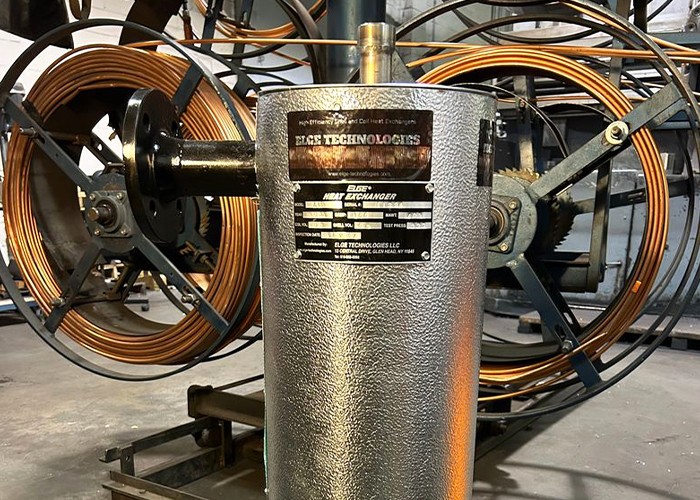
Summary:- Shell and coil heat exchangers provide precise, safe, and consistent temperature control for industrial and commercial systems. This blog explains how the coiled design maximizes heat transfer, maintains real-time temperature stability, improves energy efficiency, reduces maintenance, and ensures durability. It covers advanced flow management, compact installation, and reliability in various applications such as hospitals, hotels, and manufacturing facilities. Readers will learn how proper installation and maintenance of these units prevent equipment failures, lower operational costs, and deliver dependable performance for long-term system efficiency.
Maintaining precise temperature in industrial and commercial systems is critical for safety, performance, and efficiency. A shell and coil heat exchanger, Long Island, NY, provides a reliable solution, controlling temperatures accurately while reducing energy waste and protecting equipment from damage. These systems are designed to deliver consistent heating or cooling, even under high-demand or variable flow conditions, making them essential for modern operations.
How Shell and Coil Designs Maximize Heat Transfer
Unlike traditional heat exchangers, shell and coil units use a coiled tube within a shell to create a large surface area for fluid contact. This design allows rapid heat transfer while keeping the unit compact.
The coiled tube ensures the fluid flows evenly, minimizing hot spots or temperature spikes. This uniform transfer not only improves comfort and process consistency but also reduces strain on boilers, pumps, and other system components.
These designs can also handle multiple fluids simultaneously, allowing industries to heat or cool different process lines with a single unit. The coiled structure encourages turbulence, which increases the efficiency of heat exchange without requiring larger equipment. For systems where space is limited, this design advantage is particularly valuable.
Precise Temperature Control in Real-Time
For systems handling sensitive processes, maintaining exact temperature is vital. Shell and coil heat exchangers allow operators to adjust flow rates and heating levels, achieving precise control over output temperatures.
This flexibility ensures the system can respond to sudden demand changes without overshooting or undershooting set points, protecting equipment and maintaining user comfort across residential, commercial, and industrial applications.
By monitoring temperature sensors and adjusting valves or pumps, operators can ensure heat is delivered consistently. This capability prevents accidental overheating, which could damage piping or create unsafe conditions. Facilities such as laboratories and hospitals benefit greatly from this precise control, ensuring operations run smoothly without interruptions.
Safety Through Advanced Flow Management
Temperature fluctuations can cause equipment stress, leaks, or scaling in plumbing and heating systems. Shell and coil designs incorporate efficient flow channels that balance pressure and temperature across the unit.
By keeping temperatures stable, these exchangers prevent thermal shock and system failure, making them safer for both operators and the system itself. They are ideal for hospitals, laboratories, hotels, and industrial facilities where consistent output is non-negotiable.
Additionally, the design helps prevent sudden pressure spikes that could damage valves or other system components. Operators gain peace of mind knowing that the system maintains safe conditions even under unexpected demand changes or emergency situations.
Energy Efficiency That Reduces Costs
Stable heat transfer also lowers energy consumption. The coiled design encourages turbulent flow, which maximizes thermal contact between fluids and improves overall efficiency.
Less energy is needed to achieve desired temperatures, which directly translates to lower operational costs. Facilities gain both financial savings and longer equipment life because systems are not overworked to compensate for uneven heating.
Energy savings also reduce the load on boilers, pumps, and auxiliary heating units, extending their service life. Over time, facilities can recover their investment in heat exchangers through lower utility bills and fewer system repairs. In high-demand applications, these savings can be substantial.
Compact Size Without Compromise
Space is often limited in mechanical rooms or retrofit projects. Shell and coil heat exchangers are compact yet highly efficient, allowing installation in tight spaces without sacrificing performance.
This compactness allows engineers to combine multiple units in parallel or series configurations, accommodating larger systems while maintaining consistent heat control. The flexibility of placement also reduces installation complexity and costs.
For older buildings or constrained industrial sites, these units can be customized to fit non-standard layouts without compromising capacity. The compact design also allows for easier transport and quicker installation, minimizing downtime during upgrades or replacements.
Durability That Ensures Reliability
Constructed from high-grade stainless steel and alloys, shell and coil units resist corrosion, scaling, and pressure fluctuations. This durability ensures minimal maintenance requirements and long-term reliability, even under heavy use.
By reducing the likelihood of leaks or failures, these units safeguard the integrity of entire systems, protecting both the facility and its occupants. Operators can rely on consistent performance without frequent interruptions.
Durability also reduces the frequency of system replacements. Unlike older equipment that may degrade under pressure or high temperatures, these heat exchangers maintain performance over years of operation. Facilities experience fewer emergency shutdowns and lower repair costs over the long term.
Simplified Maintenance for Continuous Operation
Maintenance of shell and coil heat exchangers is straightforward. Their design allows for easy inspection, cleaning, and occasional coil replacement without dismantling the entire system.
Routine maintenance keeps the heat transfer surfaces clean, ensuring efficiency and reliability. The modular structure also allows technicians to access components quickly, reducing labor costs and system downtime.
Because the units are durable and corrosion-resistant, cleaning is less frequent than with other types of heat exchangers. This low-maintenance design ensures operators can focus on running their facility rather than constantly troubleshooting temperature issues.
Real-World Applications and Reliability
From commercial hot water loops to industrial process heating, shell and coil heat exchangers excel in applications requiring precise temperature control.
Facilities like hospitals, hotels, laboratories, and manufacturing plants benefit from continuous operation without fluctuations. The ability to maintain stable temperatures improves both safety and efficiency, making these exchangers a preferred solution across multiple sectors.
Their reliability also supports emergency preparedness. In critical facilities, stable temperatures ensure that systems remain operational during peak loads, avoiding costly downtime or compromised safety conditions.
Ending Note:
At Elge Technologies LLC, our shell and coil Long Island, NY services deliver high-performance, reliable temperature control for every application. Our team designs and installs systems tailored to your operational requirements, ensuring precise heat management, energy efficiency, and durability.
We support every client from planning to maintenance, providing solutions that keep systems safe, consistent, and cost-effective. By choosing our services, facilities gain systems that operate smoothly, reduce operational expenses, and last longer. Contact us today to learn how our expertise can enhance your heating and cooling systems while delivering reliable performance for years to come.
FAQs:
Q1: What is a shell and coil heat exchanger?
A shell and coil heat exchanger transfers heat efficiently between two fluids using a coiled tube inside a shell, providing consistent temperature control.
Q2: How does it improve energy efficiency?
The coiled design encourages turbulent flow, maximizing heat transfer and reducing energy use, saving costs, and extending equipment life.
Q3: Where are these heat exchangers commonly used?
They are used in hospitals, hotels, laboratories, and industrial facilities where safe and consistent temperature control is critical.
Q4: How often do they require maintenance?
Routine inspection and cleaning are simple, ensuring long-term efficiency and minimal downtime, thanks to corrosion-resistant materials and modular design.
Q5: Can they handle varying flow rates safely?
Yes, advanced flow channels maintain stable temperatures even with sudden demand changes, protecting equipment and preventing thermal shock.