

How Can Condensate Heat Recovery Improve the Performance of a Steam-Based Heating System?
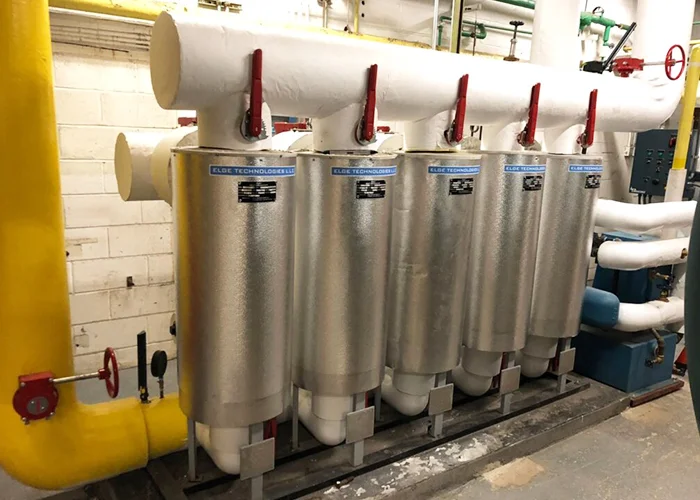
Summary: Condensate heat recovery captures useful heat from hot condensate and transfers it to water for domestic, boiler, or process heating. The blog covers heat-sink selection, heat exchanger types, sizing, piping, controls, testing, and operating conditions. It also explains how proper system design can reduce new heating demand and support reliable packaged heating equipment for facility needs.
Steam heating systems can lose useful heat through hot condensate returning from coils, heaters, and process equipment. A condensate heat recovery system can capture that heat and send it to another water stream. This can support better heat use and reduce the load on other heating equipment. The same design principles also help engineers plan packaged hot water heaters in Long Island, NY, for reliable building and process needs.
Hot Condensate Still Carries Useful Heat
Steam releases heat as it changes into water. The resulting condensate can remain hot enough to support another heating task. Sending this heat straight back to the boiler may not use its full value.
A recovery setup places a heat exchanger between the hot condensate and a cooler water stream. Heat moves across the exchanger surface, while the two fluids stay separate. This lets the recovered heat serve a useful load before the condensate leaves the recovery section.
The amount of useful heat depends on the temperature and flow of the condensate. Engineers also look at the temperature of the receiving water. A larger temperature difference can create a useful driving force for heat transfer. The design team uses these values to understand the heating duty before equipment is selected.
A Heat Sink Gives Recovery a Clear Purpose
Recovered heat needs a steady use. Engineers may direct it toward domestic hot water, boiler feedwater, process water, or another suitable heating load.
The receiving water should have enough flow and a suitable temperature range. A poor match can limit heat transfer and reduce the benefit of the system. Engineers compare the available condensate heat with the demand of the receiving stream before sizing the equipment.
The heat sink should also have a stable operating pattern. A facility with regular hot water demand may provide a clear place for recovered heat. Process systems may have different loads during different operating periods. Engineers review these patterns so the recovery equipment can match actual plant use.
A clear heat sink also makes system control easier. The recovery unit has a defined task, such as raising incoming water temperature before another heater completes the final heating step.
Heat Exchanger Choice Affects System Results
The heat exchanger must match the operating conditions of the steam system. Engineers review condensate temperature, flow rate, pressure, water flow, inlet temperatures, outlet targets, and fluid properties.
Plate and frame, shell and tube, and shell and coil units can serve different duties. The right choice depends on the heat load, space, pressure limits, materials, and service needs. Proper sizing also helps avoid high pressure loss and unstable flow.
Material selection also deserves careful review. The exchanger surfaces must suit the fluids and operating conditions. Engineers may also consider fouling, cleaning access, gasket needs, and expected service conditions.
Equipment size should reflect the actual heating duty. A unit that is too small may fail to transfer enough heat. A unit that is larger than needed can affect space, connections, and project planning. Good engineering connects equipment size with the real duty of the heating system.
Piping Can Make or Break the Setup
A recovery unit must fit the existing condensate path. Piping connects the heat exchanger with return lines, pumps, valves, drains, and the receiving water circuit.
Engineers check pipe size, flow direction, pressure loss, isolation points, and access for service. The layout should also support drainage and safe equipment isolation. A clear piping plan gives installers a clear path and helps operators understand the system.
Pipe routing also affects pressure and flow. Long pipe runs can create pressure loss, while poor routing can make service work harder. Engineers review connection points and available space before finalizing the arrangement.
Proper valve placement allows sections of the system to be isolated for inspection or repair. Drain points help remove trapped liquid during service. These details may seem small, but they have a direct effect on operation and maintenance.
Controls Keep Heat Transfer Steady
Steam loads can change across the day. Control systems help the recovery unit respond to those changes. Sensors can track temperature, pressure, and flow. Valves can adjust the movement of condensate or receiving water.
These controls help maintain the target outlet temperature and protect connected equipment. They also give facility teams operating data. Control settings should match the heating load and work with the existing plant control system.
A well planned control sequence can also prevent unwanted flow through the recovery unit. For example, a valve can reduce flow if the receiving water reaches its target temperature. Sensors can provide feedback so the system reacts to changes in demand.
Simple control logic can make the equipment easier for operators to understand. Clear setpoints, alarms, and operating displays can help facility teams identify unusual conditions and respond to service needs.
Recovery Can Support Better Heating Performance
A well-planned system can reduce the amount of new heat needed for a secondary water load. It can also help maintain more stable water temperatures across connected equipment.
The result depends on available condensate heat, flow conditions, heat demand, exchanger size, piping design, and control settings. Engineers should review the full steam cycle rather than judging recovery from temperature alone. Testing can confirm flow, pressure, temperature, and control response after installation.
System performance should also be checked after startup. Actual operating data can show if the heat exchanger is receiving the expected flow and if the receiving water reaches the required temperature. This information helps confirm that the equipment is working as designed.
A complete review can also reveal issues outside the recovery unit. Steam traps, pumps, valves, and return piping all affect condensate movement. A recovery system works best as part of a properly planned heating arrangement.
Ending Note:
At Elge Technologies LLC, our team develops heat transfer equipment and packaged systems around the needs of each facility. We review condensate flow, heat load, temperatures, pressure, piping, controls, and space before selecting the arrangement. For projects seeking Long Island quality skid packaged systems, our engineering approach can support heat exchanger selection and packaged heating system design. Our team can also review how the recovery equipment connects with existing heating equipment. This includes the heat exchanger, pumps, valves, piping, controls, and related components. A complete view helps keep the equipment arrangement practical for installation and service.
Need help assess a steam heating system for condensate heat recovery? Contact Elge Technologies LLC to discuss your process conditions, equipment needs, and system goals with our engineering team.
FAQs:
- What is condensate heat recovery?
Condensate heat recovery captures heat from hot steam condensate and transfers it to cooler water, reducing wasted thermal energy within the heating system.
- Where can recovered condensate heat be used?
Recovered heat can preheat domestic water, boiler feedwater, process water, or other suitable streams that require controlled temperature increases.
- Which heat exchangers can recover condensate heat?
Plate-and-frame, shell-and-tube, and shell-and-coil heat exchangers can recover condensate heat, depending on pressure, temperature, flow, materials, space, and service requirements.
- Why are controls important in condensate recovery systems?
Temperature, pressure, and flow controls help maintain stable heat transfer, manage changing steam loads, protect equipment, and provide useful operating information.
- What factors affect condensate heat recovery performance?
Performance depends on condensate temperature, flow, heat demand, exchanger sizing, pressure loss, piping arrangement, receiving-water conditions, and control settings.